


When the colder months roll around, many homeowners and tradespeople wonder: Can you install a rubber roof in the winter? The short answer is yes — but it requires extra care and preparation. Installing an EPDM rubber roof during winter is absolutely possible in the UK’s variable climate, provided the right materials, techniques, and timing are used.
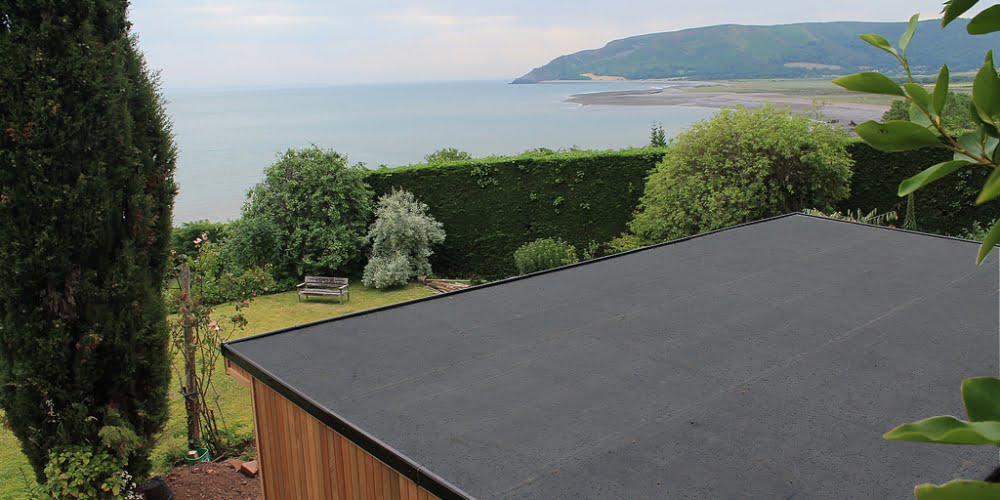
Installing a Rubber Roof in Cold Weather
Rubber roofing — often supplied as EPDM roofing kits — remains flexible and resilient even in low temperatures. However, adhesives and sealants can behave differently in cold conditions. The key to success lies in temperature management and preparation:
Check the manufacturer’s temperature guidelines
Most water-based and contact adhesives used in EPDM roofing should be applied in temperatures above 5°C. If the mercury drops below this, it’s best to work on a milder day or use specially formulated cold-weather adhesives.
Warm the materials before use.
Keep your rubber roofing membrane and adhesive indoors or in a warm van before installation. Cold materials are harder to handle and may not bond correctly. Allowing them to reach room temperature ensures better flexibility and adhesion.
Ensure a dry, clean surface
Damp surfaces can compromise adhesion. If frost, ice, or moisture is present, wait until the roof deck is completely dry before applying your EPDM. Even a thin film of moisture can affect bonding performance.
Plan for daylight hours
With shorter winter days, plan your project early. Starting mid-morning allows time for the surface to warm slightly, reducing the risk of condensation and ensuring the adhesive sets properly before dusk.
By following these steps and using high-quality rubber roofing kits (link opportunity), you can confidently complete installations even in the colder months.
Winter Rubber Roof Maintenance: How to Look After Your EPDM Flat Roof
Once installed, winter is the most important time to keep an eye on your rubber flat roof. Regular maintenance helps extend its lifespan, prevent leaks, and maintain its sleek appearance. Here’s how to ensure your EPDM roof performs at its best all winter long.
1. Keep Your Roof Clean and Clear
Fallen leaves, moss, and debris can trap moisture on your roof surface. Over time, this can lead to ponding or blocked gutters. Use a soft broom or brush to gently remove debris every few weeks during the winter. Avoid using sharp tools that could damage the membrane.
2. Check for Standing Water
Flat roofs are designed with a slight fall to help water drain away. If you notice standing water that doesn’t disperse after 48 hours, inspect the area. It could indicate a blocked outlet or uneven decking beneath the membrane. Clearing blockages quickly prevents long-term damage.
3. Inspect Seams and Edges
Winter temperature fluctuations cause expansion and contraction. While EPDM is highly flexible, it’s wise to inspect seams and flashing edges occasionally. If you spot lifting or peeling, a quick reapplication of adhesive or seam tape can prevent more serious issues.
https://www.roofingkitsdirect.co.uk/product-category/rubber-roofing/rubber-roofing-kits/
4. Maintain Gutters and Downpipes
Blocked gutters are a common cause of leaks in winter. Leaves, twigs, and moss can prevent rainwater from draining correctly, leading to overflow and damp problems. Make gutter cleaning part of your regular roof maintenance routine — ideally before and during winter.
5. Avoid Walking on Frosted Roofs
EPDM membranes are durable, but walking on them when frosted or icy can risk slipping or scuffing the surface. If you must access the roof, use soft-soled shoes and wait for temperatures to rise slightly.
6. Schedule a Professional Inspection
Even with DIY-friendly rubber roofing kits (link opportunity), it’s worth having a professional inspect your flat roof annually. A quick winter health check can identify small issues before they become expensive repairs.
Why Winter Care Matters
Rubber roofing is incredibly durable — often lasting over 50 years — but the UK’s wet, windy winters can be tough on any flat roof. Proactive maintenance ensures:
Longer lifespan of your EPDM membrane
Prevention of leaks and costly repairs
Improved energy efficiency by maintaining a tight seal
Peace of mind knowing your roof is performing as it should
Final Thoughts
So, can you install a rubber roof in the winter? Yes — as long as you prepare properly, use quality materials, and work within the right conditions. Once installed, regular winter maintenance is simple and highly effective in preserving your investment.
If you’re planning to install or maintain your flat roof this winter, explore our range of rubber roofing kits, adhesives and sealants, and EPDM repair accessories to get everything you need for a professional, watertight finish.