If you are replacing a leaking flat roof, building a flat roof extension, or finally sorting out a tired garage or outbuilding roof, you have almost certainly come across EPDM roof membrane. It is one of the most popular flat roofing materials in the UK, and for good reason: it is tough, flexible, long-lasting and surprisingly easy to fit yourself.
In this guide we answer the questions UK homeowners and builders ask most about EPDM rubber roofing: what it is, how long it lasts, what the warranty options look like, how it compares with other flat roof systems, and the steps involved in DIY installation.
What Is an EPDM Roof Membrane?
EPDM stands for ethylene propylene diene monomer. It is a synthetic rubber, and when it is manufactured into large, seamless sheets it becomes an EPDM rubber membrane for flat roofs. Because it is made as one large sheet, it can often cover an entire roof with no joins at all, which removes the most common weak point on any flat roof.
EPDM has been used on roofs for decades. It is highly resistant to UV light, ozone, frost and ponding water, which makes it well suited to the UK’s changeable climate.
Main Advantages of EPDM Roofing for a Flat Roof or Extension
If you are wondering what the main advantages of EPDM roofing are for a flat extension, here are the key points.
1. Long lifespan
A properly installed EPDM roof membrane is designed to last for decades, with manufacturers commonly quoting 30 to 50 years depending on the product and installation. That is a long time for a flat roof covering.
2. Seamless, watertight coverage
One-piece sheets cut to size mean fewer seams, fewer joins and fewer places for water to get in. On most domestic roofs, the only joins are at the edges, upstands and details.
3. Flexible in all weather
EPDM stays flexible in cold weather and does not become brittle, so it copes well with the expansion and contraction caused by UK temperature swings, and with minor building movement.
4. Lightweight
Rubber roofing weighs very little compared with many traditional roofing materials, so it puts minimal load on your structure. That makes it ideal for garages, sheds, outbuildings, dormers and extensions.
5. Low maintenance
There is no need for regular re-coating or sealing. A periodic check, keeping gutters and outlets clear, and removing debris is generally all that is required.
6. DIY friendly
Compared with hot-applied or multi-layer systems, EPDM is straightforward to fit with the right preparation, adhesive and trims. No torches, no heat, no specialist equipment.
7. Cost effective
When you factor in the lifespan and low maintenance, an EPDM flat roof kit is one of the best-value long-term options for a flat roof.
EPDM Roof Membrane Lifespan
Lifespan is the most searched questions about EPDM, and understandably so: a roof is a big investment.
How long does an EPDM roof last? With correct installation and sensible care, EPDM is designed to give decades of service. The actual figure depends on the quality of the membrane, the quality of the substrate and the installation, and how well the roof is looked after.
Tip: always keep your order paperwork, product batch information and photos of your installation.
Is an EPDM Rubber Membrane Right for My Flat Roof?
EPDM is a great choice for:
- flat roof extensions
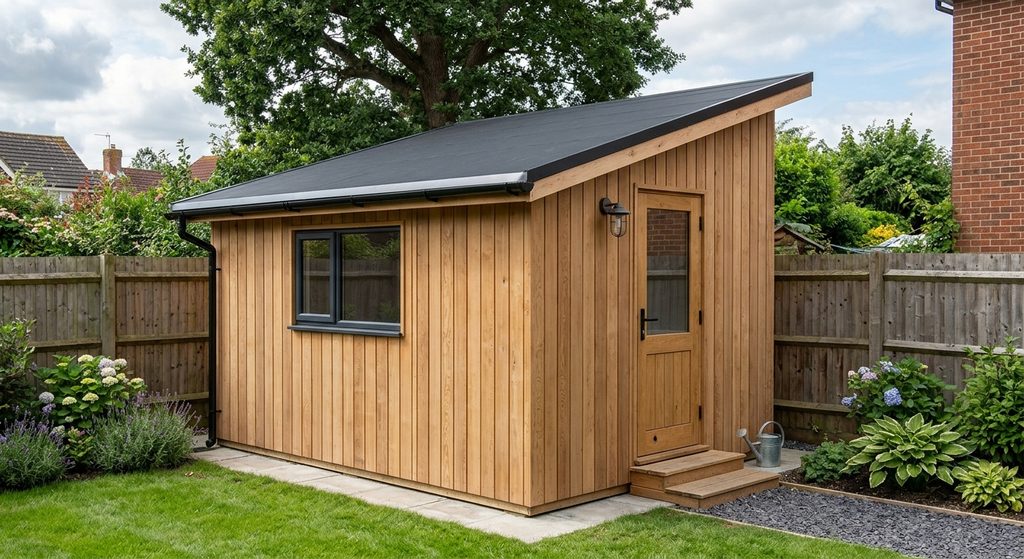
- garages and outbuildings
- garden rooms and summer houses
- porches and dormers
- larger domestic and small commercial roofs
- roof renovations where you want a long-lasting, low-maintenance solution
You should always check that the existing deck is sound, dry and suitable before you start. Rotten or damaged boards must be replaced first.
What You Need for an EPDM Flat Roof Installation
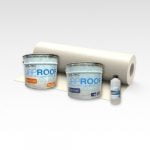
A good EPDM job depends on using the right components together. A typical EPDM roof kit includes:
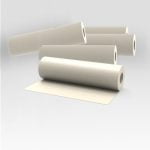
- EPDM rubber membrane cut to size for your roof
- Bonding adhesive to fix the membrane to the deck
- Seam and splicing products for any joins
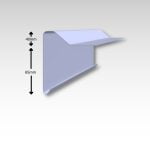
- Edge trims to finish and protect the perimeter
- Corner and detail pieces for neat, watertight corners
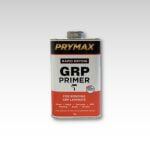
- Sealants and primers for upstands and penetrations
- Rooflight, outlet and flashing accessories as needed
Buying everything as a kit takes the guesswork out of ordering and ensures the products are compatible.
What Steps Are Involved in DIY Installation of an EPDM Rubber Roof Membrane?
Here is a simplified overview. Always follow the manufacturer’s instructions for your specific product.
Step 1: Measure your roof
Measure the length and width of your roof, plus the upstands and any overhang. Add an allowance for the membrane to turn up at the edges. Accurate measurements mean you order the right size sheet first time.
Step 2: Prepare the deck
The deck must be clean, dry, smooth and sound. Remove the old covering if needed, replace any damaged boards, and sweep away dust, debris and sharp objects. If you are laying over an existing surface, check it is suitable.
Step 3: Lay out the membrane
Unroll the EPDM sheet over the roof and leave it to relax for a short time. This helps remove creases and makes it easier to fit.
Step 4: Apply adhesive
Fold the membrane back and apply the bonding adhesive to the deck and the underside of the membrane, following the product guidelines. Allow the adhesive to become tacky before bonding.
Step 5: Bond the membrane
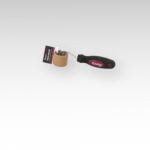
Roll the membrane into the adhesive gradually, brushing out air bubbles as you go. Work from the centre outwards for a smooth finish.
Step 6: Form the upstands and corners
Bond the membrane up the walls and fit the corner pieces using the recommended primers and adhesives.
Step 7: Fit the edge trims
Install the drip edge or trim around the perimeter and seal as directed.
Step 8: Detail penetrations and finishing
Seal around any outlets, vents or rooflights, and check all edges and seams.
Step 9: Final inspection
Walk the roof visually, check all edges and joins, and make sure everything is firmly bonded and sealed.
Temperature and weather matter. Always install in dry conditions and within the temperature range stated by the manufacturer
Common Mistakes to Avoid
- fitting over a damp or damaged deck
- not allowing adhesive to become tacky before bonding
- trapping air under the sheet
- cutting the membrane too small
- using incompatible adhesives or trims
- skipping the primer on upstands
- installing in wet or very cold weather
How Much Does an EPDM Flat Roof Cost?
The cost of an EPDM roof depends on roof size, membrane thickness, the number of details such as corners and rooflights, and whether you fit it yourself or use a roofer. Because EPDM is often supplied as one sheet cut to size, DIY kits are usually much more affordable than having a roof professionally installed.
For an accurate price, use a kit sized to your roof dimensions or contact our team for a tailored quote.
Looking After Your EPDM Roof
EPDM needs very little care, but a little attention goes a long way:
- keep gutters, outlets and drainage clear
- remove leaves and debris regularly
- inspect the roof after severe weather
- avoid sharp objects and heavy foot traffic
- repair any damage promptly with the correct repair products
Why Buy Your EPDM Roof Kit from Roofing Kits Direct?
At Roofing Kits Direct we supply EPDM rubber roofing kits, GRP fibreglass kits, liquid overlay systems and everything you need to complete your flat roof, delivered direct to you anywhere in the UK.
- Complete kits with the components you need in one order
- Cut to size options to suit your roof
- Expert help choosing the right system
- Fast UK delivery
- Competitive pricing on quality products
Browse our EPDM roofing kits or get in touch with our team for advice on your project. sales@roofingkitsdirect.co.uk
EPDM Roof Membrane FAQs
What is the best EPDM roof membrane for a flat roof? The best option depends on your roof size and use. Look for a good quality, correctly sized membrane supplied with compatible adhesives and trims.
How long does an EPDM roof membrane last? A well installed EPDM roof can last for decades.
Can I install an EPDM rubber roof myself? Yes. With careful preparation and the right products, many homeowners successfully fit EPDM themselves.
Is EPDM better than GRP fibreglass? Both are excellent. EPDM is flexible and suits larger roofs, while GRP is rigid and suits smaller, detailed roofs.
Can EPDM be fitted over an existing roof? Often yes, but the existing surface must be sound, dry and suitable. Check with the manufacturer or our team first.
Is EPDM suitable for a flat roof extension? Yes, it is one of the most popular choices for flat roof extensions thanks to its durability and light weight.
Need help choosing the right EPDM roof membrane? Contact Roofing Kits Direct and our team will be happy to help.